

Introduction
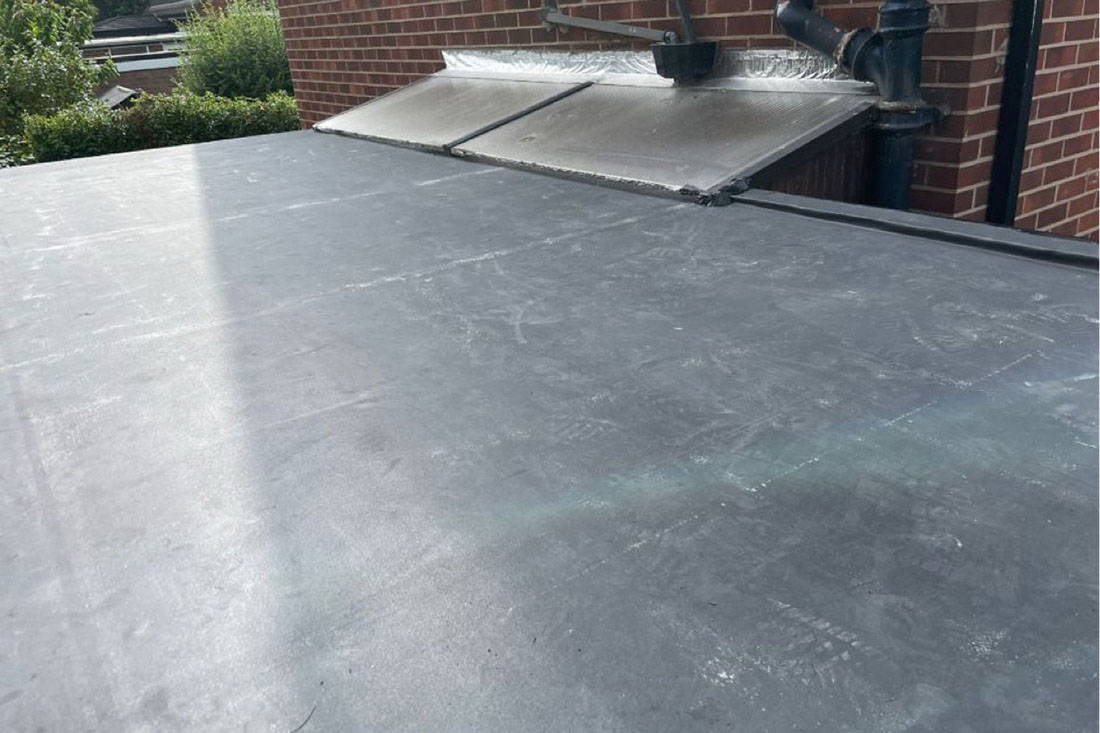
Flat roofs are a common architectural feature, especially in urban environments such as Stockport. While they offer aesthetic benefits and functional space, they also come with unique challenges, particularly when it comes to leaks and water damage. This article delves into the complications associated with leaky flat roofs, their causes, repair solutions, and the importance of engaging a skilled team to address these issues effectively.
Understanding the nuances of a leaky flat roof is essential for homeowners.
Importance of Roof Inspections
Understanding the Role of Regular Inspections
Regular inspections can prevent issues related to a leaky flat roof.
Regular roof inspections are crucial to maintaining the integrity of flat roofs. By identifying potential problems before they escalate, homeowners can save significant costs and avoid extensive damage. During inspections, professionals assess the roof’s condition, looking for signs of wear, damage, or accumulated debris that may lead to leaks.
Moreover, inspections help homeowners understand the lifespan of their roofing materials and when they may need to consider repairs or full replacements. A proactive inspection approach not only extends the roof’s life but also enhances overall property value.
Homeowners should be vigilant about a leaky flat roof to avoid extensive damage.
Benefits of Early Detection
Detecting leaks early can prevent water from penetrating the interior of a building, which can lead to mold growth, structural damage, and costly repairs. Being aware of minor leaks allows homeowners to take timely action, often involving simple repairs rather than extensive renovations.
In addition to cost savings, addressing leaks early also enhances the safety and comfort of the living environment. A dry, well-maintained roof contributes to better insulation and temperature regulation, benefiting the overall energy efficiency of the home. A good quality roof can also have an impact on your property value.
Read: 10 signs your roof needs a repair
Case Example: Pre-Inspection Findings
Consider a recent case study in Stockport, where a homeowner reported intermittent leaks during heavy rainfall. A thorough inspection revealed cracked seams and inadequate drainage, which were contributing to the problem. Such findings highlight the significance of regular inspections in identifying issues that might not be readily visible to the untrained eye.
This case demonstrates how proactive measures, such as inspections, can lead to swift interventions, preventing more severe complications later on. The homeowner was able to address the issues before they became a major concern, highlighting the importance of routine assessments.
Weather can significantly impact a leaky flat roof’s performance.
Common Causes of Leaks
Identifying Structural Issues
One of the primary causes of leaks in flat roofs is structural issues, including inadequate support, improper installation, or damage from wear and tear. Over time, the materials used in flat roofs can degrade due to exposure to the elements, leading to cracks and gaps that allow water infiltration.
Professional help is vital when dealing with a leaky flat roof.
Additionally, poor design or construction can exacerbate these problems. For example, if a flat roof does not have sufficient slope for drainage, water can pool in certain areas, increasing the risk of leaks. Understanding these structural issues is essential for effective repair and maintenance strategies.
Weather-Related Damage
Weather plays a significant role in the longevity and functionality of flat roofs. Heavy rain, snow accumulation, and extreme temperatures can all contribute to the deterioration of roofing materials. The freeze-thaw cycle, common in many regions, can cause materials to expand and contract, leading to cracks.
Moreover, strong winds can displace roof membranes, exposing underlying structures to moisture. This interplay between weather conditions and roofing integrity highlights the need for durable roofing materials designed to withstand local environmental challenges.
Inadequate Drainage Solutions
Effective drainage is critical for preventing water accumulation on flat roofs. When drainage systems are poorly designed or obstructed, water can pool, increasing the risk of leaks and water damage. Regular maintenance of gutters, downspouts, and drains is essential to ensure water flows freely off the roof.
In many cases, homeowners can mitigate these issues by incorporating additional drainage solutions, such as scuppers or internal drains, to enhance water management on flat roofs. Understanding and implementing effective drainage strategies can help prevent future leaks and prolong the roof’s lifespan.
Experience is key when dealing with a leaky flat roof.
Effective Repair Solutions
Building trust with contractors for a leaky flat roof project is essential.
Temporary Fixes vs Permanent Solutions
When addressing leaks in flat roofs, homeowners often face the dilemma of choosing between temporary fixes and permanent solutions. Temporary fixes, such as sealants or patches, can provide quick relief but may not address the underlying issues causing the leaks.
Conversely, permanent solutions involve more comprehensive repairs, such as replacing damaged membrane sections or enhancing drainage systems. While these options may require a more significant initial investment, they often prove to be more cost-effective in the long run, minimizing future repair needs.
Materials and Techniques for Flat Roofs
Long-term benefits can arise from a well-maintained leaky flat roof.
Choosing the right materials and repair techniques is crucial for effective roof repairs. Common materials used in flat roofing include EPDM (ethylene propylene diene monomer), TPO (thermoplastic olefin), and modified bitumen. Each of these materials has unique properties, offering different levels of durability, flexibility, and weather resistance.
Understanding your leaky flat roof can lead to better maintenance practices.
Techniques for repair can vary based on the material used. For instance, EPDM roofs often require adhesive bonding or mechanical fastening for repairs, while modified bitumen may use torch-applied methods. Understanding these materials and techniques can significantly impact the success of the repair process.
Before and After: Repair Transformation
A good example of the transformation that can occur through effective repairs is seen in a Stockport property that underwent significant roofing work. Initially plagued by leaks and structural issues, the homeowner opted for a complete overhaul of the existing roof, including new drainage systems and high-quality membrane installation.
Identifying signs of a leaky flat roof can prevent major issues.
After the repairs, not only did the homeowner experience a drastic reduction in leaks, but the property also saw improvements in energy efficiency and overall aesthetic appeal. This transformation underscores the importance of investing in quality repairs and working with skilled roofing professionals.
Regular inspections of a leaky flat roof are recommended for all homeowners.
The Value of Using a Trusted Team
Why Experience Matters
Engaging a reputable and experienced roofing team is vital when dealing with flat roof repairs. Experienced contractors bring valuable insights into the specific challenges of flat roofing systems, ensuring that repairs are conducted efficiently and effectively.
Hiring professionals for a leaky flat roof can ensure safety and quality.
Moreover, established roofing companies often have access to the latest materials and techniques, resulting in higher-quality repairs. Their experience enables them to identify potential issues that less experienced teams might overlook, thus providing a more comprehensive service.
Building Trust with Your Contractors
Building a trusting relationship with your roofing contractor is essential for successful projects. Good communication, transparency, and reliability are key factors in fostering this relationship. Homeowners should feel comfortable discussing their concerns and expectations with their contractors to ensure that everyone is on the same page.
Additionally, checking a contractor’s references and previous work can help build confidence in their abilities. A reputable contractor is likely to have a portfolio of successful projects and satisfied customers, further solidifying their credibility in the industry.
Long-Term Benefits of Professional Help
Investing in professional roofing services not only addresses immediate concerns but also provides long-term benefits. Professional teams can offer warranties and guarantees on their work, providing homeowners with peace of mind regarding the durability of their repairs.
Furthermore, a professional roof installation or repair can improve the property’s value, making it an attractive investment for future buyers. In a competitive real estate market, having a well-maintained roof can be a significant selling point.
Conclusion
Transforming a leaky flat roof is a multifaceted process that requires careful consideration of inspections, identification of causes, effective repair solutions, and collaboration with trusted professionals. Through proactive maintenance and timely repairs, homeowners can protect their investments and enhance the safety and comfort of their living spaces.
By understanding the importance of regular roof inspections and the intricacies of repair solutions, property owners can take informed steps to prevent leaks and maintain the integrity of their flat roofs for years to come.