


Introduction
Choosing the right plastering service can significantly impact the quality of your home renovation or repair project. With so many options available in Stockport, it may feel overwhelming to make the best choice. This guide will walk you through ten essential tips to help you find a reliable plastering service that meets your needs. From researching local services to trusting your instincts, these tips will ensure you make an informed decision that leads to a successful plastering job.
1. Start with Researching Local Services
Using Online Directories and Reviews
When it comes to finding plastering service, many people turn to online directories. Websites like Yell.com, Checkatrade, and Trustpilot provide listings of local plasterers along with customer ratings. These platforms allow you to filter services based on your specific requirements, such as location and type of plastering work. Take the time to read through reviews, as they often highlight the strengths and weaknesses of various contractors, giving you a clearer picture of who might be the best fit for your project.

Asking for Recommendations from Friends and Family
Word-of-mouth recommendations are invaluable. Ask friends, family, or neighbours who have recently had plastering work done. They can provide first-hand experiences and may even refer you to a trusted plasterer. This personal touch often leads to finding services that have a proven track record of satisfaction, making your decision-making process much easier.
2. Check the Experience of Plasterers in Stockport
Looking for Established Businesses
Experience matters when it comes to plastering. Look for businesses that have been operating in Stockport for several years. Established companies are likely to have developed a solid reputation and have a portfolio of successful projects. This experience can be crucial when it comes to understanding what works best for different situations, whether it’s new builds or restoration of older properties.



Understanding the Importance of Specialisation
Not all plasterers are created equal. Some may specialise in residential work, while others might focus on commercial projects. Understanding their area of expertise can help you select a plasterer who is best suited for your particular needs. If you have specific requirements, such as decorative plastering or restoration work, ensure the plasterers you consider have experience in that niche.
3. Read Customer Reviews
Finding Reliable Platforms for Reviews
In addition to initial research, it’s crucial to dive deeper into customer reviews. Platforms like Google Reviews, Facebook, and specialised trade websites provide insights into the quality of service you can expect. Look for patterns in the feedback; positive reviews that consistently highlight punctuality, professionalism, and quality of work are indicators of a reliable service.
Paying Attention to Consistency in Feedback
While one or two glowing reviews may look appealing, it’s essential to consider the overall consistency of the feedback. If a plastering service has several reviews that mention the same positive traits, it’s likely a good sign. Conversely, multiple complaints about similar issues should raise red flags. A well-rounded view of the service’s reputation will help you make a more informed choice.
4. Knowledge of Different Plastering Surfaces
Identifying Your Specific Needs
Different surfaces require different plastering techniques. Whether you are looking to plaster drywall, ceilings, or external walls, it’s important to communicate your specific needs to potential plasterers. This ensures they are equipped to handle your project with the right materials and methods. Make sure to ask questions about their experience with your type of work; a knowledgeable plasterer will be eager to share their expertise.
Consulting About Various Plaster Types
There are various types of plaster finishes available, each suitable for different applications. From traditional lime plaster to modern gypsum plaster, understanding these options will help you decide what is best for your home. A proficient plasterer will be able to explain the benefits and drawbacks of each type, helping you make an informed decision that suits your aesthetic and functional requirements.
5. Assessing Skills in Handling Difficult Shape Areas
Understanding the Importance of Attention to Detail
Plastering isn’t just about covering walls; it requires an eye for detail, especially in areas with intricate designs, corners, or uneven surfaces. An experienced plasterer should be able to demonstrate their skill in handling challenging areas. During your consultations, ask specific questions about how they approach these situations, and consider asking for examples from previous projects to gauge their competency.
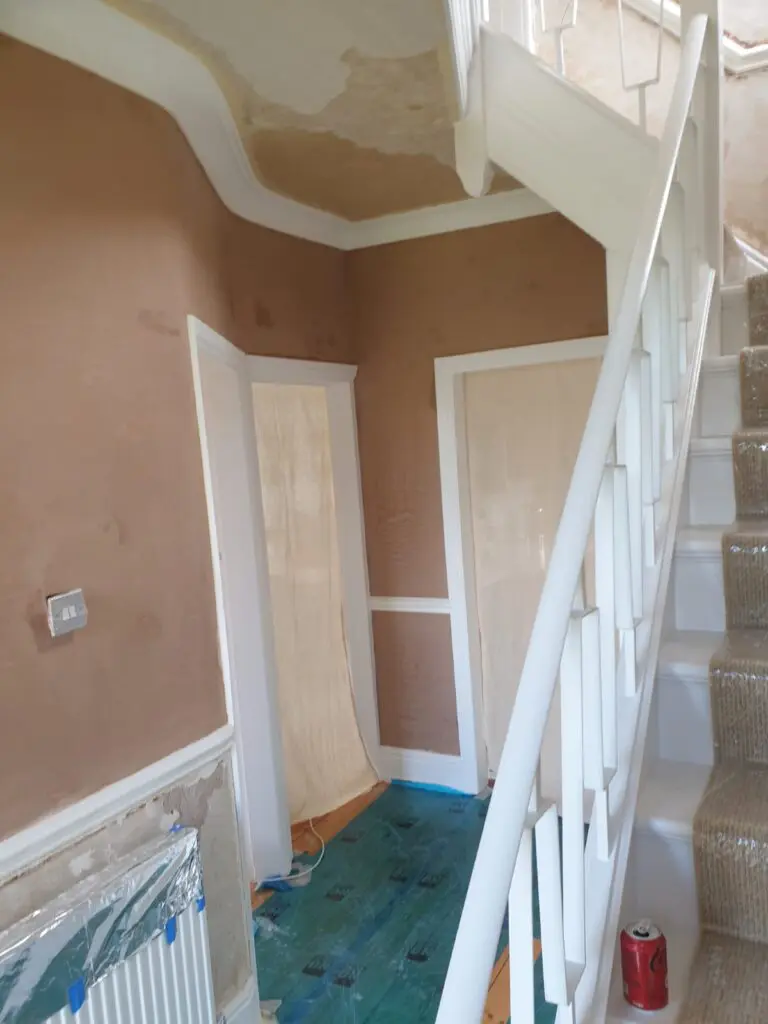
Inquiring About Previous Projects
Reviewing a plasterer’s portfolio can provide insight into their capabilities. Ask them to share before-and-after photos of past projects, particularly those that involved complex shapes or difficult areas. This will not only show their skill level but also give you a clearer idea of what you can expect in terms of quality and attention to detail in your own project.
6. Requesting Detailed Quotes
Understanding What’s Included in the Quote
Once you have narrowed down your options, it’s time to request detailed quotes from potential plasterers. A comprehensive quote should break down the costs involved, including materials, labor, and any additional services. This transparency helps you understand where your money is going and enables you to compare quotes effectively.
Comparing Quotes from Multiple Services
Comparing multiple quotes can highlight discrepancies in pricing and services offered. While it may be tempting to choose the cheapest option, consider the overall value, including the quality of materials and the plasterer’s experience. Sometimes, paying a bit more for a reputable service that guarantees quality can save you money in the long run by avoiding future repairs.
7. Checking for Insurance and Certifications
Understanding the Importance of Liability Insurance
A reputable plastering service should carry liability insurance to protect you in case of accidents or damage during the job. Always ask for proof of insurance and verify its validity. This not only safeguards your property but also reflects the professionalism of the plastering service.
Confirming Relevant Qualifications and Training
In addition to insurance, it’s wise to confirm that the plasterers you are considering are certified and adequately trained. Certifications from recognised bodies demonstrate a commitment to quality and professionalism. Training ensures that they are up to date with the latest techniques and safety standards, which is crucial for any home improvement project.
8. Scheduling an In-Person Consultation
Evaluating Communication Skills
An in-person consultation allows you to assess the plasterer’s communication skills, which are vital for a successful working relationship. During this meeting, gauge how well they listen to your needs and how clearly they explain their processes. Effective communication can prevent misunderstandings and ensure that the project aligns with your expectations.
Discussing Your Vision and Needs
Use the consultation to articulate your vision for the project. A good plasterer will not only listen but also provide suggestions based on their expertise. Discuss your ideas and listen to their recommendations on materials, techniques, and timelines. This collaborative approach will help ensure that the final outcome reflects your desires.
9. Understanding Warranty and Aftercare Services
Inquiring About Maintenance Tips
Before finalising your choice, inquire about the aftercare services offered by the plastering service. This includes any warranty on workmanship or materials used. A reliable plasterer should provide guidance on how to maintain the plastered surfaces and ensure they remain in good condition over time.
Confirming the Length and Coverage of Warranties
Warranties should be clearly stated in writing, detailing what is covered and for how long. A solid warranty reflects the plasterer’s confidence in their work and provides you with peace of mind. Be sure to understand the terms and conditions, as this will inform you of your rights should any issues arise after the job is completed.
10. Trusting Your Instincts
Evaluating Overall Comfort with the Service
At the end of the day, trust your gut feeling about the plastering service. If you feel comfortable and confident in your choice, it’s likely a good fit. Remember, this is a collaborative process, and you want to work with someone who values your opinions and treats your project with care.
Understanding the Importance of a Good Working Relationship
A successful plastering job relies on a good rapport between you and the plasterer. A positive working relationship fosters open communication, which can lead to a smoother project. If you feel uncertain or uneasy after your consultations, don’t hesitate to continue your search until you find a service that feels right for you.
Conclusion
Choosing the right plastering service in Stockport involves thorough research, careful consideration of various factors, and ultimately trusting your instincts. By following these ten essential tips, you can make an informed decision that ensures your project is completed with the highest quality standards. Remember to prioritise experience, communication, and reliability to find a plasterer who not only meets your needs but exceeds your expectations.