

Introduction
As a homeowner or business owner in Stockport, maintaining your property is crucial, and one of the most important aspects of maintenance is ensuring your roof is in good condition. Unfortunately, roofs are often overlooked until serious problems arise. Recognizing the signs that your roof needs repair can save you from expensive damage in the future. In this article, we will detail ten critical signs that indicate your roof may require repair, helping you make informed decisions about your property’s upkeep. If you find yourself experiencing any of these issues, it may be time to consider professional roof repair in Stockport.
1. Visible Leaks and Water Stains
Identifying leaks inside your property
One of the most alarming indicators of roof damage is the presence of leaks inside your home or business. Water stains on ceilings or walls are often the first signs of a roofing issue. If you notice brown or yellow patches, this could suggest water is seeping through your roof, potentially leading to mold growth and structural damage. Regular inspections of your interior can help catch these issues early.
Effects of water stains on ceilings and walls
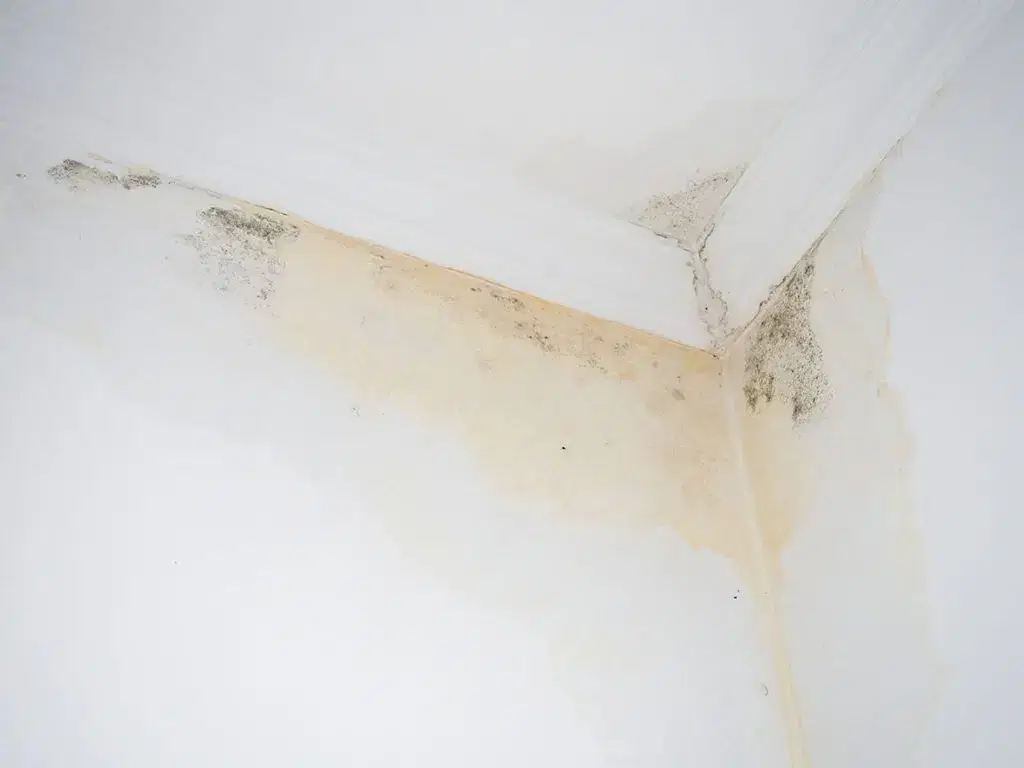
Water stains not only compromise the aesthetics of your space but can also weaken the structural integrity of your building. Left untreated, these leaks can lead to significant damage, including wood rot and weakening of framing. It’s essential to address leaks promptly by consulting a roofing professional to assess the situation and recommend appropriate repairs.
2. Missing or Damaged Shingles
How to inspect your shingles
Regularly inspecting your roof’s exterior is vital for maintaining its condition. Look for shingles that are cracked, curled, or missing altogether. These issues can often be spotted from the ground, but a closer inspection using a ladder may be necessary for a comprehensive evaluation. If you discover any abnormalities, it’s advisable to seek professional assistance.
Impact of missing shingles on roof integrity
Missing or damaged shingles can expose your roof to the elements, leading to leaks and further deterioration. The roof’s protective layer is compromised, making it vulnerable to wind and rain. This situation not only affects the roof but can also lead to water damage inside your home, making timely repairs essential to prevent escalation of the problem.
3. Sagging or Uneven Roof Structure
Signs of structural issues
A sagging or uneven roof structure is a serious concern that must not be overlooked. Look for areas that appear lower than others, which could indicate underlying structural problems. The sagging may be caused by a variety of factors, including water damage, poor installation, or even the weight of snow accumulation.
Consequences of ignoring roof sagging
Ignoring a sagging roof can lead to catastrophic failures. This could result in substantial repair costs, as structural damage can affect not only the roof but also the walls and foundation of your building. If you notice any sagging, it’s vital to call in a roofing expert immediately to assess and address the issue before it worsens.
4. Increased Energy Bills
Understanding the relationship between roofs and energy efficiency
Your roof plays a crucial role in regulating your home’s temperature. If you notice a sudden increase in your energy bills, it might be due to your roof’s inability to provide proper insulation. Poorly maintained roofs can allow heat to escape during winter or enter during summer, resulting in higher heating and cooling costs.
When to consider roof repair in Stockport
If your energy bills are higher than usual and other signs of roof damage are present, it’s worth investigating further. A roofing professional can assess your roof’s thermal efficiency and recommend repairs or upgrades that enhance insulation, ultimately lowering your energy costs.
5. Moss or Algae Growth
Identifying growth on your roof
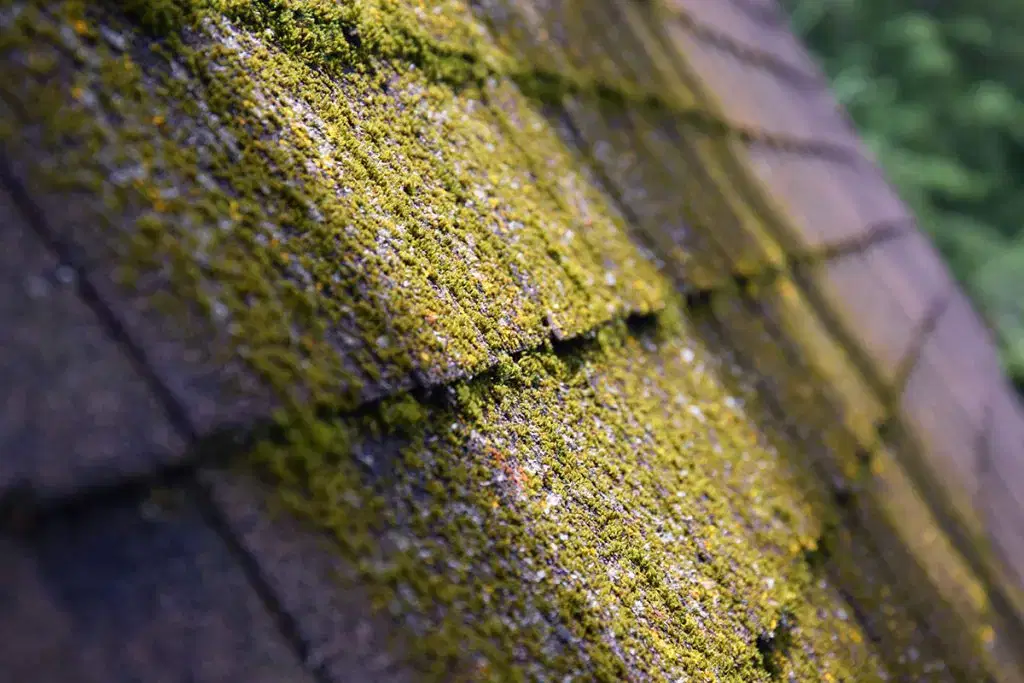
Moss and algae can accumulate on roofs, particularly in damp and shaded areas. The presence of green or black stains on your roof can indicate that your roofing materials are retaining moisture, which can lead to decay. Regular cleaning can help manage this issue, but if the growth persists, you may need to consider more extensive repairs.
Impact of moss and algae on roofing materials
Moss can trap moisture, causing roofing materials to deteriorate more quickly. Algae can also stain your roof, impacting its appearance and potentially leading to roof decay. If you notice significant growth, it’s essential to consult a professional who can provide effective cleaning methods and assess any damage that has occurred.
6. Excessive Granule Loss
Recognising granule loss during inspections
Granules on asphalt shingles are essential for protecting your roof from UV rays and providing a waterproof barrier. If you notice granules accumulating in your gutters or downspouts, this is an indication of aging shingles. Inspect your roof for bald patches, where granules have worn away, as this can lead to leaks and deterioration.
Why granules are important for your roof
The loss of granules can significantly impact the effectiveness of your roofing material. Without these granules, shingles are more susceptible to UV damage and may deteriorate more quickly. Regular inspections can help catch granule loss early, allowing for timely repairs or replacements to ensure your roof remains effective in protecting your home.
7. Damaged Flashing
Role of flashing in roof security
Flashing is a critical component of roof integrity, designed to direct water away from roof joints and seams. If you notice cracked, peeling, or missing flashing, it’s a sign that your roof is vulnerable to leaks. Inspect areas around chimneys, vents, and skylights, as these are common locations for flashing to fail.
Signs of flashing damage
Signs of damaged flashing include rust spots, gaps, and lifting edges. If water penetrates through damaged flashing, it can lead to significant interior damage. It’s advisable to address flashing issues promptly, as ignoring them can result in extensive repairs and higher costs down the line.
8. Cracked or Broken Tiles
How to detect tile damage
If your roof is tiled, be sure to regularly inspect for cracked or broken tiles. These can be easily overlooked, but even one damaged tile can allow water to seep through, compromising your entire roof’s structure. Conducting inspections after severe weather can help identify any damage promptly.
Effects of cracked tiles on roof performance
Cracked or broken tiles not only diminish the appearance of your roof but can also lead to leaks. If water infiltrates beneath the tiles, it can cause damage to the roof’s underlayment and wooden structures, leading to costly repairs. If you notice tile damage, consider seeking repair or replacement services immediately.
9. Age of the Roof
Understanding your roof’s lifespan
The lifespan of a roof is determined by several factors, including the materials used and local climate conditions. Most roofs last between 20 to 30 years, but regular maintenance can extend their lifespan. If your roof is nearing the end of its expected life, it’s essential to be vigilant about repairs and potential replacement options.
When to consider replacement versus repair
If your roof is several decades old and showing multiple signs of damage, it may be more cost-effective to consider a full replacement rather than ongoing repairs. A roofing professional can help evaluate your roof’s condition and suggest the best course of action based on its age and damage extent.
10. Frequent Repairs Needed
Signs that frequent repairs indicate a bigger issue
If you find yourself calling a roofing contractor more often than not, this may indicate a larger underlying problem. Frequent repairs can suggest that your roof is struggling to perform adequately due to age, poor installation, or inherent design flaws. Understanding the reasons behind repeated repairs can help you address the core issues.
Cost-effectiveness of continuous repairs
While regular maintenance is essential, continually repairing a failing roof can be more expensive in the long run than investing in a complete replacement. Analyzing the costs of frequent repairs versus a new roof can help you make an informed decision and prevent further unnecessary expenses.
Conclusion
Your roof is a critical component of your home’s structure, and recognizing the signs that it needs repair can save you both time and money. From visible leaks and missing shingles to moss growth and frequent repairs, being vigilant about these indicators can help maintain your roof’s integrity and ensure your property remains protected from the elements. Regular inspections and timely repairs are key to prolonging your roof’s lifespan and maintaining your home’s overall value.
FAQs
Do you need help with roof repairs in Stockport?
Contact Us to make an appointment for a no obligation assessment and quote.